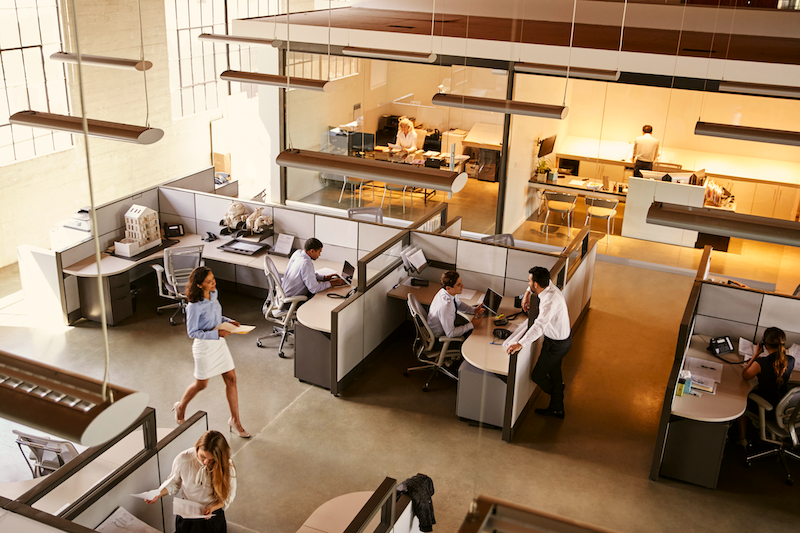
Hybrid work and changing office attendance patterns are making workplace management more complex than ever. Real-time occupancy data gives organizations a clearer understanding of how offices, meeting rooms, and shared spaces are actually being used. By combining workplace analytics, occupancy detection, and environmental monitoring, businesses can make smarter decisions that improve workplace efficiency, employee experience, and long-term space planning.
Modern workplaces are under pressure to become more flexible, responsive and of course more efficient. Hybrid working, evolving employee expectations and fluctuating office attendance are changing how workplaces are used day to day. This is m aking it harder for facility and workplace managers to plan on instinct alone. Instead, real-time occupancy data offers a practical way to understand how people are using the workplace.
According to CBRE’s Global Workplace & Occupancy Insights report, organizations are increasingly using workplace analytics and occupancy data to improve space utilization, employee experience and hybrid workplace strategies.
Why Gut Feeling Is No Longer Enough in Workplace Management
But why is so many organizations that rely on gut feeling? Because despite evolving work patterns, many organizations continue to base workplace design decisions on occasional observation, anecdotal feedback, or outdated assumptions. In a flexible working environment, that leaves facility and workplace teams relying too heavily on gut feeling. The result can be overbooked meeting rooms, underused spaces, wasted energy, and even poor environmental conditions, all of which make workplaces harder to manage and less intuitive for employees. Real-time office occupancy data gives managers a clearer view of how spaces are being used, helping them make decisions based on evidence rather than guesswork.
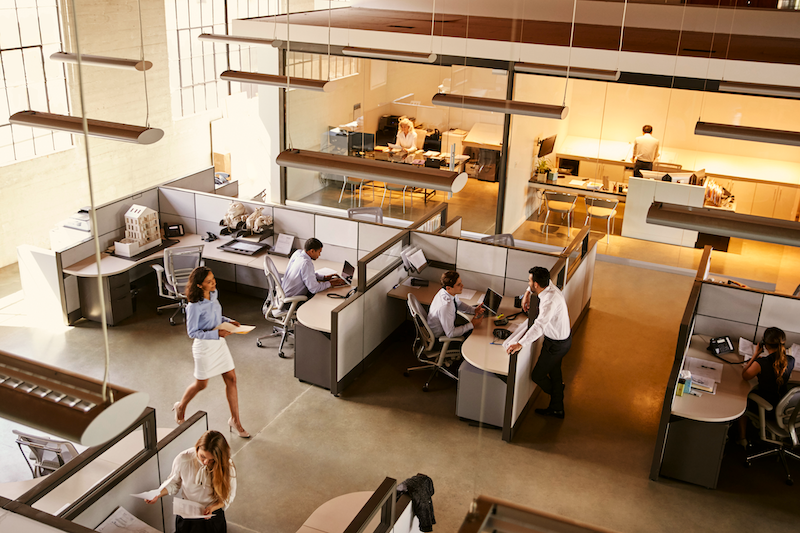 Over time, informed decisions around office design, capacity, and resource allocation can help reduce costs, improve space utilization, and enhance employee experience.
What Workplace Occupancy and Environmental Data Reveal
Understanding how a workplace is used can help team optimize space, improve comfort, and make smarter decisions based on evidence. Using workplace occupancy and smart office sensors, organizations can track essential data, such as occupancy, rooms usage, booking patterns and consistently busy areas, alongside environmental factors such a temperature and air quality monitoring.
Together, these insights can play a significant role in workplace efficiency, contributing to the employee comfort, health, and overall productivity. By identifying which rooms are busiest, when certain spaces are occupied, and which environmental conditions support better working, organizations can uncover actionable insights that improve day-to-day operations.
How Real-Time Insights Improve Space Planning
By tracking real-time occupancy data, workspace optimization decisions can be based on smart insights rather than assumptions. Practical improvements might include matching teams with better-sized meeting rooms or repurposing underused areas to address the needs causing the most friction. The same applies to maintenance, where schedules can be adjusted based on the actual usage to support cleaner, more comfortable working conditions. Over time, informed decisions around office design, capacity, and resource allocation can help reduce costs, improve space utilization, and enhance employee experience.
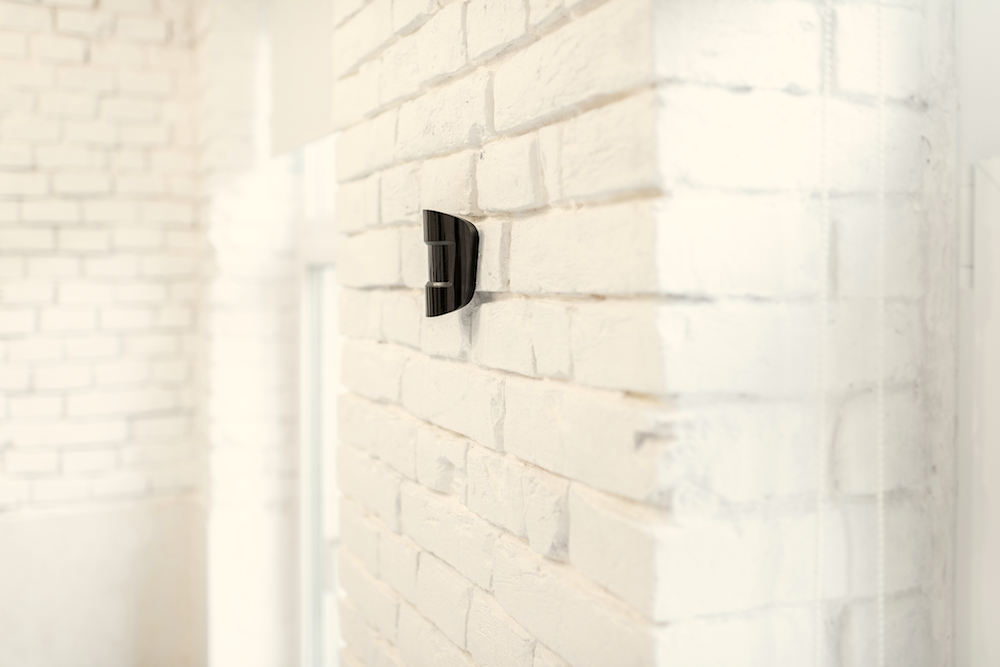
Humly Sense supports occupancy detection and environmental awareness as part of a connected ecosystem with third-party sensors.
Turning Workplace Sensor Data Into Actionable Insights
Smart workplace insights only become valuable when they are easy to interpret and apply. A workplace analytics platform or space utilization software can collect and analyze data from booking systems, sensors, and workplace interactions then translate it into clear recommendations.
This allows organizations to make evidence-based decisions that bring together rooms, desks, visitors, navigation, and shared resources into one connected experience. In turn, this supports future planning and flexibility, helping workplaces keep pace with the evolving behavioral trends of employees.
Building a Smarter Workplace with Connected Workplace Technology with Humly
Workplaces benefit from solutions such as Humly Sense, which supports occupancy/motion detection and environmental awareness as part of a connected ecosystem. Offering automatic occupancy detection, air quality monitoring, and workplace intelligence, Humly integrates sensor insights with room booking, workplace displays like both Humly Room Display and Humly Booking Device, and wider systems. It allows organizations to build more responsive, data-led workflows that prioritize employee needs for a healthier and more productive environment.

Smart workplace insights only become valuable when they are easy to interpret and apply.
Learn more about Humly Sense.
See what Humly could save your workplace.

FAQ
What is real-time occupancy data?
Real-time occupancy data shows how workplace spaces are being used at any given moment. It helps organizations understand room usage, desk occupancy, employee movement patterns, and workplace utilization trends through sensors and workplace analytics tools.
How does occupancy data improve workplace efficiency?
Occupancy data helps organizations identify underused spaces, optimize meeting room usage, improve workplace layouts, and reduce wasted resources. This allows facility managers to make data-driven decisions that improve operational efficiency and employee experience.
Why is occupancy detection important in hybrid workplaces?
Hybrid workplaces often experience fluctuating attendance and changing workspace needs. Occupancy detection helps organizations understand how employees use offices in real time, making it easier to adapt spaces, manage resources, and improve flexibility.
What can workplace sensors measure?
Smart workplace sensors can measure occupancy, room usage, movement patterns, temperature, humidity, air quality, and environmental conditions. These insights help organizations create healthier and more productive workplaces.
How does workplace analytics support space optimization?
Workplace analytics platforms collect data from sensors, booking systems, and workplace interactions to identify trends and usage patterns. Organizations can then optimize office layouts, improve space utilization, and plan future workplace investments more effectively.
How can occupancy data improve employee experience?
By understanding how employees use workplace spaces, organizations can reduce overcrowding, improve comfort, maintain better air quality, and create more intuitive workplace experiences that support productivity and wellbeing.
What is space utilization software?
Space utilization software helps organizations analyze how workplace spaces are used over time. It combines occupancy data, booking data, and workplace analytics to improve planning, reduce costs, and support smarter workplace management.
How does Humly Sense support workplace intelligence?
Humly Sense supports occupancy detection, air quality monitoring, and environmental awareness within a connected workplace ecosystem. It helps organizations create data-driven workflows that improve workplace efficiency, employee comfort, and operational visibility.

Stay Updated with Humly
Subscribe to our newsletter to get the latest product updates and partnerships.
