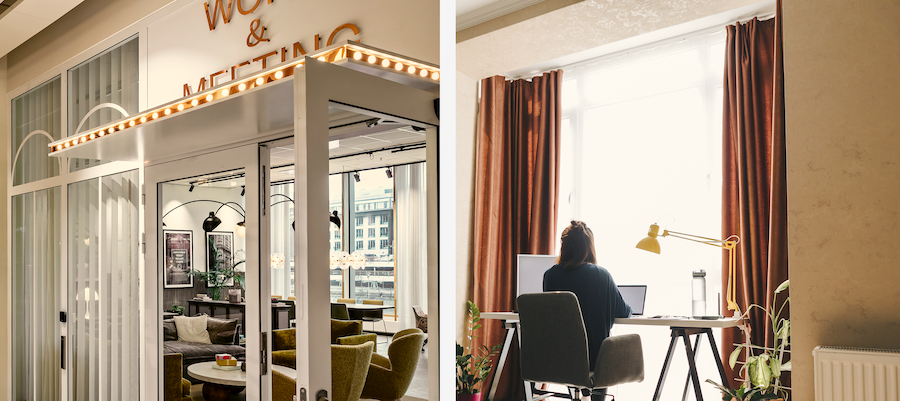
The commute raises the bar for workplace experience.
For years, businesses measured their offices against other offices. Did they have better meeting rooms, newer amenities or a more impressive reception area? Hybrid work changed the comparison. Today, the office is competing with somewhere employees already know how to use: home.
That does not make the office obsolete. It does mean that asking employees to commute changes the value equation. A trip to the workplace must offer something meaningful enough to justify the time, expense and disruption of leaving an environment built around personal routines.
Why home sets a high bar for workplace experience
Home performs exceptionally well at convenience, predictability and control. Employees know where they will sit, how quiet the room will be and whether the technology will work. The data reflects that advantage. Leesman reports that its average workplace experience score rose from 64.3 in 2019 to 69.5 in 2024, yet the average home experience score remained 10 points higher at 79.5.
The lesson is not that every organization should recreate the home office. Home has weaknesses, too: isolation, fewer spontaneous conversations and less exposure to colleagues beyond an immediate team. The better question is what the office can provide that home cannot, and how consistently it can deliver and meet expectations.

The home office sets a high bar for workplace experience.
What makes a workplace worth the commute?
A workplace becomes worth the commute when it offers something employees cannot easily replicate at home: access to colleagues, collaboration, learning, culture and shared experiences. But those benefits need to come without unnecessary friction. The best hybrid workplaces combine the unique value of being together with the predictability, control and ease employees have come to expect from working at home.
Why employees still choose the office
The office is strongest when it creates access to people, ideas, shared experiences and moments that are difficult to schedule online. Gensler's 2025 Global Workplace Survey points to the value of agency, human connection and spaces that support both individual and team productivity. Leesman's research similarly identifies collaboration and knowledge exchange, organizational connection, and innovation and creativity as leading reasons businesses maintain offices.
Those advantages show why workplace experience matters more in hybrid work. The office should support collaboration, but also focused work between meetings. It should help new employees learn by observation, give teams room to solve problems together and make culture tangible through everyday interactions. Most importantly, it should let people choose the setting that fits the task at hand.
How workplace friction weakens the office experience
A compelling office can quickly lose its appeal when the day begins with uncertainty. Is there a desk available? Where is the meeting room? Did a colleague come in today? Is parking already full? Each unanswered question taxes attention and makes the home office look easier by comparison.
What is workplace friction?
Workplace friction is any unnecessary obstacle that makes it harder for employees to move through their workday. It can be as simple as not knowing whether a desk is available, struggling to find a meeting room, locating a colleague or navigating an unfamiliar office. Individually, these moments may seem small, but together they create uncertainty, waste time and make the workplace feel harder to use.
How workplace technology can remove everyday friction
The answer is not simply more workplace technology. It is a workplace that feels easier to use. Technology succeeds when it operates quietly in the background, removing steps and helping people move through the day with confidence.
That is the role of a quiet enabler. Humly Floor Plan can give employees a clear view of rooms, desks and parking, help them check availability before leaving home and make bookings from one visual interface. Combined with intuitive room and desk booking, wayfinding and occupancy information, tools like these reduce the small uncertainties that create outsized frustration.
Creating a workplace employees want to choose
The future workplace will not win by trying to imitate home. It will win by being purposeful: offering connection, collaboration, culture and learning in an environment that also respects employees' need for control and focus.
When organizations define their workplace why and remove the friction around it, the commute becomes more than a requirement. It becomes a worthwhile choice.
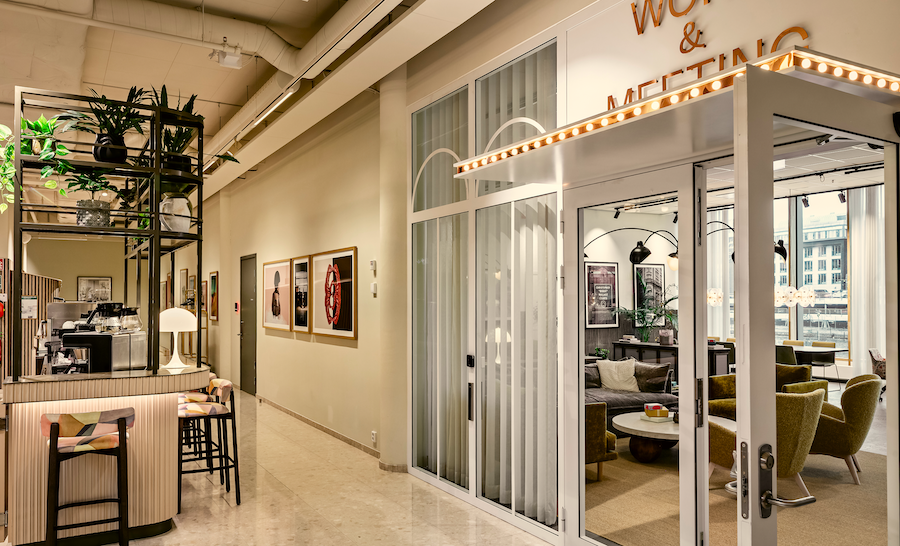
Make the office worth the commute.
FAQs about workplace experience
Why does workplace experience matter in hybrid work?
In a hybrid workplace, employees have more choice over where they work. A positive workplace experience gives them a meaningful reason to choose the office by making it easy to access colleagues, collaborate, focus and move through the workday without unnecessary friction.
How can companies make the office worth the commute?
Companies can make the office worth the commute by focusing on what the workplace can offer that home cannot easily replicate: connection, collaboration, learning, culture and shared experiences. Just as importantly, the workplace should be predictable and easy to use, with fewer obstacles around finding and booking the spaces employees need.
What causes friction in a hybrid workplace?
Workplace friction comes from small obstacles that create uncertainty or waste time. Common examples include not knowing whether a desk or meeting room is available, struggling to find colleagues, navigating an unfamiliar office or having to use complicated systems to make a booking. Reducing these obstacles can make office days simpler and more productive.
How can workplace technology improve the employee experience?
Workplace technology can improve the employee experience by making spaces, resources and information easier to access. Tools for room and desk booking, wayfinding, occupancy information and workplace planning can reduce uncertainty and help employees make better decisions before and during their office day. The most effective technology works quietly in the background rather than adding another layer of complexity.
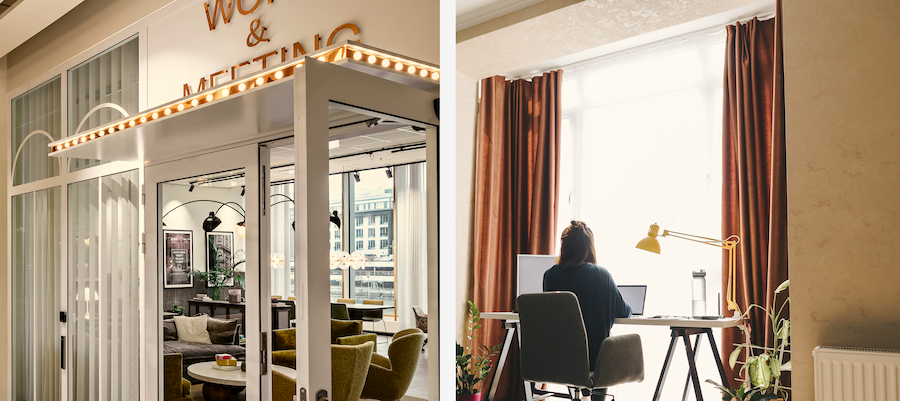
Ready to rethink the workplace experience?
Creating a workplace worth the commute starts with questioning the defaults that create unnecessary friction. Even something as simple as how you choose your room booking technology can shape the experience across the entire workplace.

Stay Updated with Humly
Subscribe to our newsletter to get the latest product updates and partnerships.
